
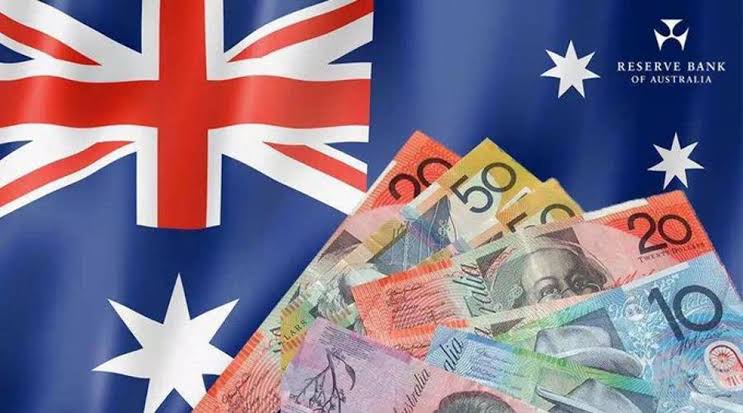
RBA Delivers Another Rate Hike to Combat Inflation
The Reserve Bank of Australia (RBA) raised its benchmark cash rate by 25 basis points to 4.85% on November 3, 2026, up from 4.60%. The decision marks the central bank’s fifth increase of the year, bringing borrowing costs to their highest level since late 2008.
The Monetary Policy Board voted 6–3 in favor of the increase, highlighting diverging views among policymakers about the need for additional monetary tightening.
Inflation Remains a Major Policy Challenge
According to the RBA, inflation remains elevated and broadly based across goods and services. Higher fuel and commodity costs, together with domestic capacity pressures, continue to complicate the inflation outlook.
The central bank expects inflation to remain above 3% over the coming year, with inflation not projected to return to the upper boundary of its 2–3% target range until late 2027. At the same time, tighter financial conditions are weighing on household spending, housing activity and economic growth.
Australian Dollar Declines Despite Higher Rates
Following the announcement, the Australian dollar declined approximately 0.3%, with AUD/USD trading around 0.6977, according to Reuters. The reaction suggests that the rate increase had already been largely priced into financial markets, leaving the forward policy outlook in focus.
The divided 6–3 vote and a less hawkish policy message strengthened expectations that the RBA may pause its tightening cycle at its December meeting.
A Reuters survey found that 30 out of 32 economists had anticipated a November rate increase.
Market Outlook
Near-term AUD/USD movements may be influenced by several factors:
Upcoming Australian inflation and employment data.
Policy commentary from RBA Governor Michele Bullock.
Expectations surrounding US Federal Reserve monetary policy.
US dollar movements and global risk sentiment.
While higher Australian interest rates may support the currency through yield differentials, its performance will depend on incoming economic data and guidance at future policy meetings.
Conclusion
The RBA’s decision to raise rates to 4.85% reinforces its commitment to bringing inflation under control. Nevertheless, the split vote and the Australian dollar’s decline suggest that markets are increasingly considering the possibility of a pause in further tightening.
This material is provided for informational purposes only and does not constitute investment advice. Trading financial instruments involves risk.


